When comparing bitumen bags vs bulk Bitumen, buyers need to look beyond the bitumen product itself. Each supply format creates different requirements for transport, receiving, unloading, storage, and site handling.
This guide explains the operational differences between bagged and bulk bitumen. It focuses on packaging, handling, storage, infrastructure, labour, and receiving requirements.
For broader packaging information, buyers can also review our Bitumen Packaging Guide for International Buyers.
How Bagged Bitumen Is Packaged and Transported
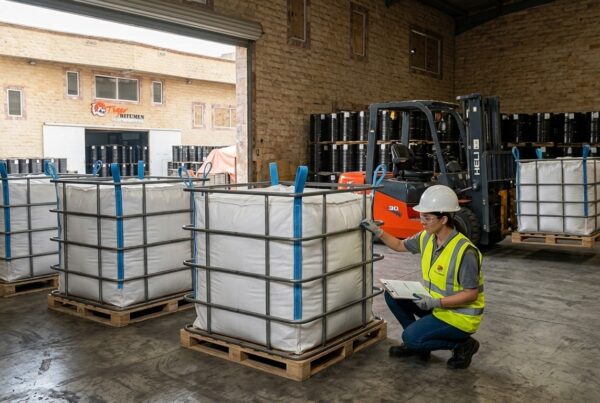
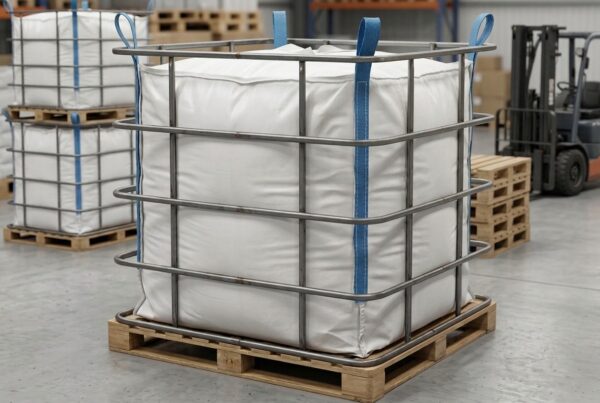
Bagged bitumen gives buyers a unitized format that they can move and manage individually. Buyers can receive the product in defined package units instead of relying on a complete heated bulk tank system.
For example, Bitumen Bags provide a practical option for buyers who need packaged bitumen for international transport and controlled site handling.
However, the packaging format also affects loading, unloading, storage, and movement after arrival. Therefore, procurement teams should confirm the package size, lifting method, transport arrangement, and destination handling setup before placing an order.
How Bulk Bitumen Is Supplied and Transported
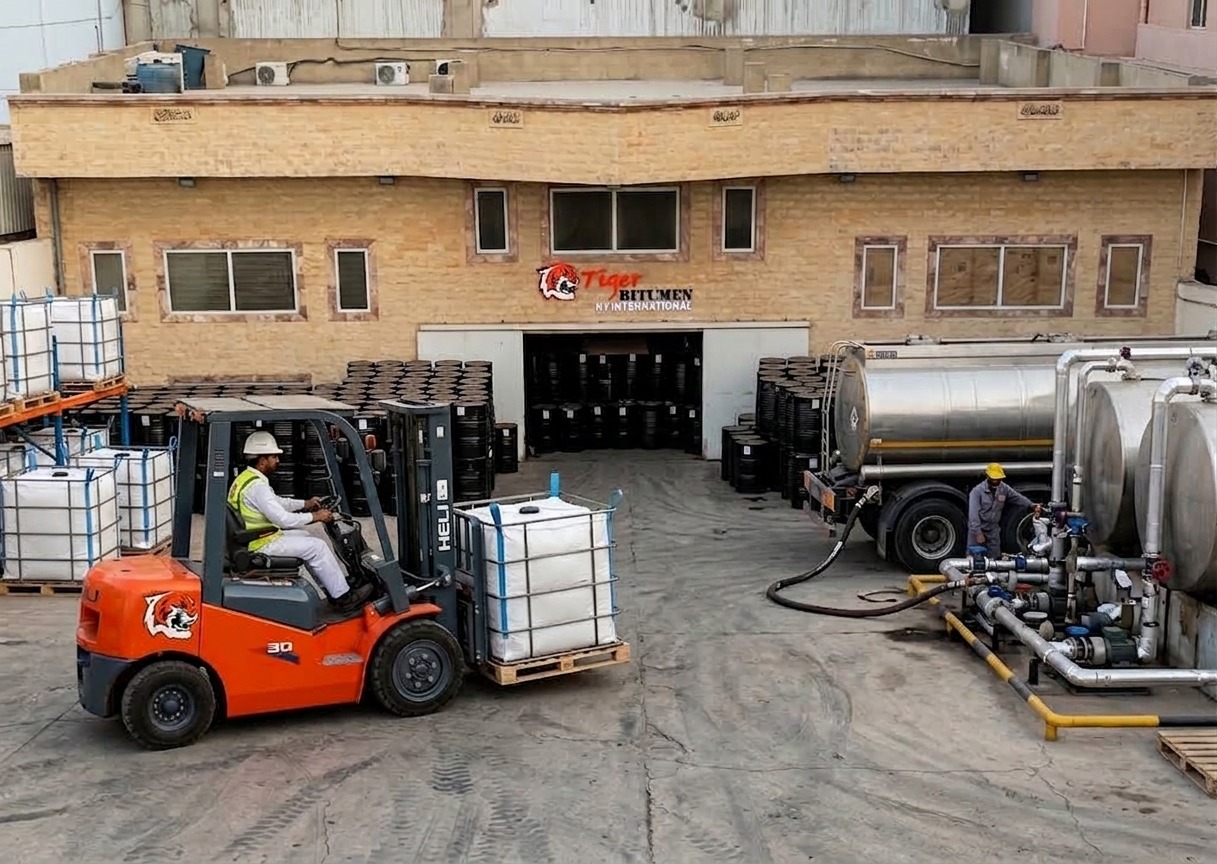
Bulk bitumen follows a different logistics model. Buyers typically receive the material in heated tanks, tankers, or other suitable bulk transport systems.
These systems help maintain the required temperature during transport and delivery. As a result, bulk supply usually requires more specialized receiving infrastructure at the destination.
Buyers should therefore check whether their facility can receive heated bitumen safely. They should also confirm tank capacity, heating systems, transfer equipment, and unloading connections.
Bitumen Bags vs Bulk Bitumen: Receiving at Destination
Receiving requirements represent one of the main differences when comparing bitumen bags vs bulk
Bitumen
supply.
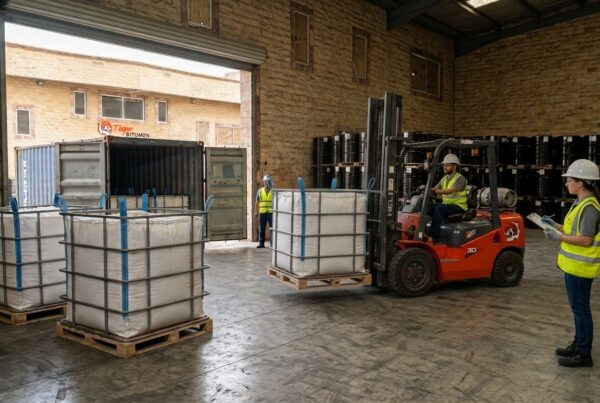
With bagged bitumen, operators can move individual units from the transport vehicle using suitable lifting equipment. The receiving area should provide enough space for unloading, inspection, temporary placement, and onward movement.
In contrast, bulk bitumen requires a compatible receiving system. The destination should have suitable tanks, heating equipment, transfer lines, and connections for the incoming shipment.
For this reason, buyers should confirm their receiving setup before selecting the supply format.
Unloading and Handling Requirements
Bagged bitumen normally requires mechanical handling equipment such as forklifts or other suitable lifting systems. Operators should follow the package manufacturer’s lifting and handling instructions.
In practice, the unloading process depends on the package design and the equipment available at the destination. Buyers should also plan how operators will move bags from the unloading area to storage or processing areas.
Bulk bitumen follows a different process. Operators connect the delivery system to the receiving tank and use suitable transfer equipment to move the material.
Meanwhile, temperature control remains important during bulk unloading. The receiving system must support the required operating conditions and safe transfer procedures.
Warehouse and Storage Considerations
Storage requirements also differ between the two formats.
For bagged bitumen, buyers need a suitable storage area that protects the packaging from unnecessary exposure and physical damage. Operators should keep the bags organized and maintain clear access for handling equipment.
Buyers should also consider storage conditions, available floor space, ventilation, and protection from environmental exposure.
Our guide to bitumen storage and handling best practices provides additional information on practical storage and handling considerations.
Bulk bitumen requires dedicated storage tanks. These tanks need suitable heating and temperature-control systems to maintain the material in a workable condition.
Similarly, buyers should review tank capacity and operating requirements before arranging bulk deliveries. Our guide on bitumen shelf life and storage conditions covers additional factors that buyers should consider.
Site Infrastructure and Equipment
The available site infrastructure can strongly influence the choice between bagged and bulk supply.
| Consideration | Bagged Bitumen | Bulk Bitumen |
| Receiving setup | Open or covered unloading area | Dedicated tank and transfer connections |
| Handling equipment | Forklift or suitable lifting equipment | Pumps, transfer lines, and tank systems |
| Storage | Suitable covered storage area | Heated storage tank |
| Space requirements | Floor or warehouse space | Tank and equipment area |
| Temperature control | Managed according to the packaging and handling setup | Important during storage and transfer |
| Labour | More physical or mechanical unit handling | More equipment-based handling |
Therefore, buyers should compare the required equipment with the infrastructure already available at the destination.
In addition, they should consider the cost of any new equipment or site modifications. A suitable format should work with the facility’s existing operating process.
Labour and Handling Workflow
Labour requirements can also differ between the two formats.
Bagged bitumen requires workers or equipment operators to move individual packages. The workflow may include unloading, inspection, stacking, storage, and movement to the point of use.
However, buyers can reduce manual handling by using suitable mechanical equipment and a well-planned site layout.
Bulk bitumen relies more heavily on pumps, tanks, transfer systems, and temperature-control equipment. As a result, the workforce may spend less time moving individual units but more time operating and monitoring specialized equipment.
Export and Logistics Considerations
Packaging format also affects international logistics. Bagged bitumen provides a unitized cargo format that can support different handling arrangements at the destination.
However, buyers still need to confirm container loading, cargo protection, unloading equipment, and local storage conditions before shipment.
Bulk shipments require compatible transport and receiving systems. Buyers should confirm tanker requirements, receiving connections, tank capacity, heating arrangements, and transfer procedures in advance.
In addition, the final logistics plan should account for the destination port, inland transport, unloading location, and available infrastructure.
When Buyers May Need to Consider Bitumen Bags vs Bulk
There is no single supply format that fits every project. Instead, buyers should match the format to their operational requirements.
- Consider bagged bitumen when the destination has suitable space for packaged material and practical lifting equipment.
- Consider bulk bitumen when the destination already operates heated tanks and compatible transfer infrastructure.
- Review the project scale before selecting a format, especially when storage and receiving capacity differ.
- Check local handling conditions when the shipment will move through several logistics stages.
- Review the complete logistics process instead of comparing the product price alone.
For example, a buyer may prefer packaged supply because the destination does not have a suitable bulk tank. Conversely, a facility with established heated storage may already have the infrastructure needed for bulk deliveries.
Questions to Ask Before Choosing Between Bagged and Bulk Supply
Before placing an order, procurement teams should review several practical questions:
- What storage facilities are available at the destination?
- Does the site have suitable unloading equipment?
- Can the facility receive and store heated bulk bitumen?
- How much warehouse or tank capacity is available?
- What handling equipment can operators use?
- How will the material move from the receiving area to the point of use?
- What transport and unloading arrangements will the shipment require?
- Which format fits the project’s existing infrastructure?
These questions help buyers compare the complete operational process rather than looking only at the initial product quotation.
Conclusion
The choice between bagged and bulk bitumen depends on more than the bitumen itself. Buyers should consider packaging, receiving, unloading, storage, equipment, labour, and site infrastructure together.
When evaluating bitumen bags vs bulk, the right format depends on the destination’s infrastructure, handling process, storage capacity, and logistics requirements.
For buyers evaluating packaged supply, Bitumen Bags provides further information about the available bagged bitumen format and related handling considerations.
For project-specific requirements, buyers can also request a quote and discuss the appropriate supply and logistics arrangement.
FAQs
Is bagged bitumen better than bulk bitumen?
Neither is universally better. Bagged bitumen suits sites without tank infrastructure that have standard forklift or crane capability; bulk bitumen suits sites with established tank receiving and reheating infrastructure and sustained high volume demand.
Can I switch from bulk to bagged supply for a smaller project phase?
This is a conversation to have directly with the export team based on your specific project requirement packaging format is confirmed per order.
Does bulk bitumen require specialized receiving infrastructure?
Yes bulk supply requires tank receiving and reheating infrastructure at the destination, since the product arrives in a molten state.
What equipment do I need to receive bagged bitumen?
Forklift or crane capability suited to handling a one-tonne rigid palletised load equipment that’s already standard at most warehouse and site operations.
Do both formats use the same export documentation?
Yes, generally both are supported by a Commercial Invoice, Packing List, Bill of Lading, Certificate of Origin, and Certificate of Analysis, with SGS inspection where required. Shipping method differs: containerised sea freight for bags, tanker or vessel for bulk.
Is bulk bitumen always cheaper for large volumes?
This depends on your specific infrastructure situation, volume, and project timeline it isn’t something this article can state as a general fact. Confirm cost implications for your specific requirement with the export team.
Where can I find the broader comparison including drums and bitutainers?
See the Bitumen Packaging Guide for International Buyers for the full comparison across all packaging formats.